Real estate is a vital indicator of market health, driving economic growth through investment in rapidly growing cities with high population demand for spaces. Developers identify emerging markets, transform them into business hubs, and meet housing, job creation, and community needs, fostering local economies. This creates positive feedback loops improving infrastructure, amenities, and accessibility, catalyzing sustainable economic expansion globally. As growth accelerates, real estate becomes a hub of innovation, with new retail, office, and residential spaces designed to cater to evolving consumer preferences. Strategic location choices, access to skilled labor, and market appeal drive business success, while real estate investments develop commercial, tech, and industrial spaces enhancing area attractiveness and overall economic health.
Economic growth is a powerful magnet attracting new businesses, as thriving markets present lucrative opportunities. This article explores how dynamic real estate trends significantly fuel this expansion. We delve into the strategies businesses employ to adapt to evolving market demands and uncover the critical role of location, highlighted through real estate, in luring and retaining companies. Understanding these interconnected factors is essential for both fostering economic growth and shaping successful business landscapes.
Real Estate Trends Fueling Economic Growth

The real estate sector plays a pivotal role in economic growth, serving as a barometer for overall market health. As businesses seek to expand and thrive, they often look to locations with robust real estate trends. Rapidly growing cities, in particular, attract investments due to their burgeoning populations and increasing demand for commercial and residential spaces. This surge in activity leads to a positive feedback loop: improved infrastructure, enhanced amenities, and better accessibility drive further investment, fostering sustainable economic expansion.
Real estate developers are at the forefront of this trend, identifying emerging markets and transforming them into thriving business hubs. Their projects not only cater to the needs of companies seeking new headquarters or branch offices but also contribute to community development by creating jobs, stimulating local economies, and providing much-needed housing options. Consequently, dynamic real estate landscapes become catalysts for economic growth, propelling cities into competitive global markets.
Businesses Respond to Changing Market Demands

As economic growth picks up steam, businesses are quick to respond to evolving market demands. This shift is particularly evident in the real estate sector, where thriving economies often spark a surge in investment and development. With increasing consumer spending power, companies recognize the opportunity to expand their reach and cater to diverse needs. As a result, we witness the emergence of new retail spaces, modern office buildings, and residential complexes, all designed to meet the changing preferences of consumers.
The dynamic nature of economic growth allows businesses to adapt and innovate, ensuring they stay relevant in a constantly shifting marketplace. This is evident in real estate trends, where sustainable and smart technologies are becoming integral parts of new constructions. By keeping pace with market demands, these businesses foster a healthy competitive environment, ultimately contributing to the overall economic vibrancy and attracting further investment.
Location, Location, Location: The Role of Real Estate in Business Attraction
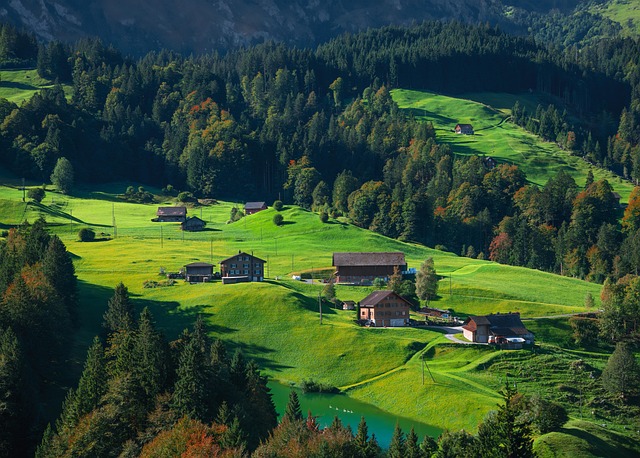
The location of a business plays a pivotal role in its success, and this is where real estate becomes an essential asset. In today’s competitive market, companies are strategically choosing locations to establish their roots, and vibrant economies are becoming magnets for entrepreneurs. When a region experiences economic growth, it triggers a ripple effect, attracting businesses seeking new opportunities. Access to skilled labor, infrastructure, and a robust local market are significant factors that influence a location’s appeal.
Real estate developers and investors recognize this dynamic and often drive the growth narrative. They identify areas with potential and facilitate the development of commercial spaces, industrial parks, or tech hubs. These investments not only enhance the area’s attractiveness but also contribute to the overall economic health. As businesses flock to thriving locations, they stimulate further development, creating a positive feedback loop that reinforces the region’s prosperity.