
Transforming underutilized real estate into community spaces—including family parks and multi-purpose hubs—is a powerful strategy for urban revitalization. Key benefits include improved well-being, economic development, and enhanced social cohesion. Practical steps involve stakeholder engagement, site assessments, inclusive planning, and adaptive reuse design. Such initiatives maximize real estate potential, foster vibrant communities, attract businesses, and positively impact youth engagement. Effective collaboration between governments, stakeholders, and residents is crucial for successful transformation.
In the heart of every thriving community lies a powerful asset: family parks and bustling community centers. These spaces are not merely recreational; they are catalysts for social cohesion, enhancing quality of life through diverse programs catering to all ages. However, with urbanization accelerating, securing suitable real estate for such amenities has become a formidable challenge. This article delves into the intricacies of this dilemma, offering insights into innovative strategies that can ensure these vital community hubs remain accessible and abundant in our ever-changing urban landscape.
Transforming Real Estate into Community Spaces

Transforming real estate into vibrant community spaces is a powerful strategy to revitalize neighborhoods and strengthen social bonds. This process involves rethinking underutilized properties, such as abandoned lots or outdated commercial buildings, and repurposing them as hubs for collective engagement. The concept aligns with the growing trend of placemaking, where communities take an active role in shaping their environments, fostering a sense of belonging and enhancing quality of life. Successful examples can be seen worldwide, from urban parks sprouting up on formerly vacant land to community centers converted from industrial spaces, showcasing the transformative potential of real estate.
The benefits are multifaceted. Firstly, it promotes physical well-being by providing accessible green spaces for recreation and social interaction. Community gardens, playgrounds, and walking paths not only encourage healthy lifestyles but also create opportunities for intergenerational connections. Moreover, these spaces serve as catalysts for economic development, attracting businesses and investments while reducing urban blight. For instance, a study in the United States revealed that revitalized community parks increased nearby property values by an average of 15%, indicating the positive ripple effect on real estate markets.
Practical steps towards this goal include engaging local stakeholders, conducting thorough site assessments, and adopting inclusive planning processes. Experts recommend collaborating with architects, urban designers, and community organizations to create spaces that cater to diverse needs. This may involve adaptive reuse strategies, such as converting old warehouses into co-working spaces or transforming former schools into multi-purpose community hubs. By embracing innovative solutions, communities can maximize the potential of existing real estate while creating lasting legacies that enhance social cohesion and urban vitality.
Benefits of Family Parks for Urban Areas
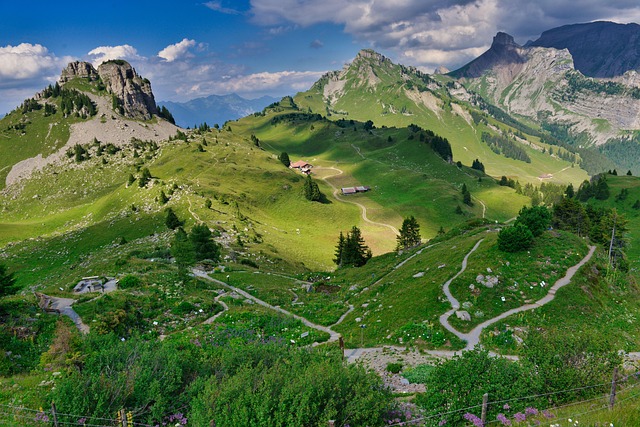
Family parks and community centers play a pivotal role in shaping urban landscapes, offering more than just green spaces; they are catalysts for societal well-being and growth. In densely populated areas, these amenities become vital resources, addressing various needs that go beyond basic recreation. The benefits extend far and wide, impacting not only the immediate community but also influencing broader real estate markets and city planning strategies.
One of the most significant advantages is their ability to foster social cohesion. Urban family parks serve as communal hubs where people from diverse backgrounds gather, creating a sense of belonging and camaraderie. This fosters stronger neighborhood connections, encourages social interaction among generations, and can even contribute to reduced crime rates. For instance, a study by the Trust for Public Land revealed that parks with community centers see increased volunteerism and civic engagement, indicating a healthier, more engaged urban environment.
Moreover, these spaces provide unique opportunities for educational and recreational programs tailored to families. From after-school activities to summer camps and fitness classes, they cater to various age groups, promoting physical and mental health while offering parents much-needed respite. Well-designed family parks can significantly enhance the quality of life in urban settings, making them more desirable places to live and work. As cities continue to evolve, investing in such amenities is not just a matter of aesthetics; it is a strategic move to create sustainable, vibrant communities that attract businesses and residents alike.
Building Centers: A Blueprint for Strong Communities
Family parks and community centers stand as cornerstones of strong, vibrant communities. Building these spaces isn’t merely about construction; it’s a strategic investment in social capital and civic engagement. Consider them as the heartbeats of neighborhoods, fostering connections among residents of all ages and backgrounds. Successful community centers offer diverse programs that cater to education, recreation, health, and cultural expression, making them vital hubs for social interaction.
The role of real estate in this context is profound. Strategically located properties can maximize accessibility, attracting diverse user groups. For instance, a study by the Urban Institute revealed that proximity to community centers significantly positively impacts youth engagement in local programs. This suggests that thoughtful urban planning and smart real estate development can substantially enhance social cohesion. When designing these spaces, architects and developers must keep community needs at the forefront, ensuring facilities are adaptable to evolving demands.
Creating family parks and community centers that truly serve their communities requires a holistic approach. Local governments and stakeholders should collaborate to assess needs, engage residents in design processes, and secure funding for ongoing programming. Examples like Chicago’s Lincoln Park, with its sprawling green spaces, community gardens, and cultural events, illustrate the transformative potential of such initiatives. By prioritizing inclusivity, affordability, and accessibility, these centers become powerful tools for fostering a sense of belonging and enhancing overall community well-being.