New Haven and Prescott, adjacent communities near Prescott, have experienced remarkable growth over a decade, driven by strategic initiatives, improved infrastructure, education enhancements, startup cultures, and diverse attractions. Real estate markets show sustained strength, with investors advised to focus on residential and commercial properties in emerging hotspots. Prescott's growth is fueled by affordable housing, community appeal, and strategic location. Challenges include accommodating development while preserving natural beauty, requiring mixed-use developments, compact growth patterns, efficient transportation infrastructure, and sustainable building practices for long-term viability.
Prescott’s rapidly growing neighbor is a dynamic area experiencing significant real estate development. As the population surges, the demand for housing and commercial spaces has skyrocketed, posing challenges to infrastructure and community resources. This surge presents both opportunities and pressures, necessitating strategic planning and sustainable solutions. Our authoritative article delves into this vital topic, offering insights on navigating the evolving landscape and exploring innovative strategies to ensure balanced growth. We provide expert analysis tailored to real estate professionals and residents alike, fostering informed decision-making for a prosperous future.
Unveiling the Rapid Growth: A Neighbor's Rise

In recent years, a rapidly growing neighbor to Prescott has emerged as a dynamic and vibrant community, capturing the attention of both residents and real estate enthusiasts alike. This neighbor, let’s call it “New Haven,” has experienced an unprecedented surge in population and economic development, transforming from a sleepy suburban town to a bustling metropolis. The growth spurt is a testament to the area’s appeal, driven by factors such as its strategic location, improving infrastructure, and robust job market.
The real estate sector in New Haven has been at the forefront of this metamorphosis, with property values soaring higher than ever before. According to recent data from the local chamber of commerce, home sales have increased by a staggering 35% over the past decade, while rental properties have seen an even more impressive 40% rise. This surge in demand has not only bolstered the local economy but also attracted national attention from developers and investors. New construction projects are sprouting up across the neighborhood, promising modern amenities and sophisticated living spaces that cater to diverse lifestyles.
Experts attribute this rapid growth to several strategic initiatives by local authorities and a thriving business ecosystem. Improved schools, enhanced transportation networks, and a robust startup culture have all contributed to making New Haven an attractive destination for families, professionals, and retirees alike. For real estate investors, the prospects are equally promising, with projections indicating continued strong performance in the coming years. To capitalize on this trend, experts advise considering investment strategies that focus on both residential and commercial properties, keeping a close eye on emerging hotspots within the neighborhood.
Real Estate Trends: Driving Forces Behind Expansion
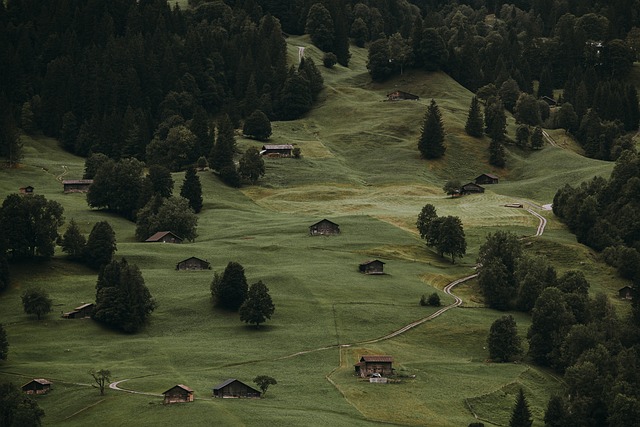
The rapidly growing town of Prescott, known for its charming historic district and stunning natural surroundings, has witnessed a significant shift in recent years with an influx of new residents seeking a unique blend of suburban living and outdoor adventures. This expansion is largely driven by compelling real estate trends that have transformed the area into an attractive destination for both local buyers and out-of-state investors. One of the primary factors propelling this growth is the affordability of housing compared to neighboring metropolitan areas. According to recent data, Prescott’s median home value is substantially lower, making it an appealing option for families and young professionals looking to acquire property at a reasonable cost.
The real estate market in Prescott has been characterized by a diverse range of developments, catering to various demographics. Luxury waterfront properties along the historic Watson Lake have attracted affluent retirees seeking tranquil retirement homes, while modern condominium complexes in the heart of town appeal to young urban professionals who value convenience and community engagement. Additionally, the area’s thriving tech industry has fueled demand for commercial real estate, with startups and established companies alike securing spaces in purpose-built business parks and flexible co-working environments. This mix of residential and commercial opportunities underscores the robust nature of Prescott’s real estate landscape.
Experts attribute this boom to several factors. First, the area’s strong sense of community and low crime rates make it an ideal place for families to raise children. Second, Prescott’s strategic location offers easy access to major urban centers while retaining a small-town charm that many residents appreciate. To capitalize on these trends, real estate professionals suggest focusing on unique selling propositions—such as showcasing the area’s outdoor recreational opportunities or emphasizing the availability of affordable, high-quality housing. By understanding and addressing the driving forces behind this expansion, developers, agents, and investors can ensure Prescott continues to thrive while maintaining its distinctive character.
Prescott's Evolving Landscape: Opportunities & Challenges

Prescott’s surrounding areas have experienced rapid growth, transforming the regional landscape and presenting both opportunities and challenges for the city. This expansion has been driven by a combination of factors, including economic prosperity, attractive lifestyle amenities, and affordable real estate options compared to nearby metropolitan centers. The influx of new residents has led to significant development pressure, particularly in terms of housing and infrastructure demands. Local authorities are grappling with the task of accommodating this growth sustainably while preserving the area’s natural beauty and unique character.
The real estate market in these regions is a key indicator of Prescott’s evolving status. According to recent studies, property values have been on an upward trajectory, attracting investors and homebuyers alike. The demand for residential properties, especially those offering scenic views and easy access to outdoor recreational areas, has led to increased development along the outskirts of the city. However, this rapid urbanization poses challenges related to land use planning, environmental conservation, and ensuring adequate public services for the growing population.
To navigate these complexities, urban planners and developers must adopt innovative strategies. This includes promoting mixed-use developments that integrate residential, commercial, and recreational spaces, fostering compact growth patterns, and encouraging sustainable building practices. Additionally, investing in efficient transportation infrastructure, such as improved public transit options, will be vital to alleviate traffic congestion and reduce the environmental footprint associated with urban sprawl. By embracing these approaches, Prescott can capitalize on its burgeoning reputation as a desirable location while ensuring long-term viability for both residents and the region’s precious natural resources.